
Planning Your PT Clinic Equipment Budget: Step-by-Step Guide
Yes, opening or upgrading a physical therapy clinic is an exciting task, but it also requires careful financial planning; otherwise, it can become over budget because everything from treatment tables to rehabilitation technology and every purchase affects both patient care and long-term profitability. That is why you should plan a physical therapy clinic equipment budget that ensures that you invest wisely, avoid unnecessary expenses, and build a properly functioning clinic.
Below, we have provided a step-by-step guide to help you learn about PT clinic equipment planning. It will help you to balance quality, cost, and future growth while staying within budget.
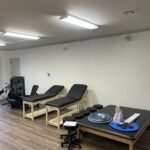
Step 1: Understand Your Clinic’s Scope and Services
You should always understand your clinic’s scope and services before you estimate numbers because it helps to define what your clinic is going to offer. Will you focus on general outpatient therapy, sports rehabilitation, post-surgical recovery, or neurological care? Your services will determine the physiotherapy clinic equipment cost.
A small orthopedic clinic may require fewer machines, but a sports or rehab-focused practice will need specialized equipment. Setting your goal early can help you to prevent overspending and support PT clinic investment planning smartly.
Step 2: Identify Physical Therapy Clinic Startup Costs
Equipment is only one part of your overall expenses. To accurately estimate physical therapy clinic startup costs, you need to observe multiple factors, and once the costs are determined, you can estimate how much capital is available for equipment purchases. This clarity is an important factor while budgeting for rehabilitation equipment without compromising other operational needs.
Step 3: Create a New PT Clinic Equipment Checklist
Developing a new PT clinic equipment checklist helps you to prioritize essential items and avoid impulse purchases. Divide your checklist into these categories:
- The most necessary treatment equipment includes tables and electrotherapy units.
- You also need therapeutic exercise tools like bands, weights, and balance systems.
- Machines for cardio and rehab.
- Assessment and mobility aids
This keeps PT clinic equipment planning focused.
Step 4: Use a Physical Therapy Equipment Price Guide
Researching market rates is critical when building a realistic budget. A reliable physical therapy equipment price guide can be helpful for you to understand average costs, compare brands, and identify value-driven options.
Prices can differ depending on features such as durability and warranties. Understanding these variations allows you to evaluate long-term value rather than focusing solely on the upfront costs of PT clinic investment planning.
Step 5: Prioritize Cost-Effective PT Clinic Equipment
Indeed, not every piece of equipment needs to be brand-new. Selecting helps, and you can stretch your budget by selecting cost-effective PT clinic equipment while maintaining treatment quality. Many clinics benefit from combining premium core equipment with budget-friendly physiotherapy tools.
Look for equipment that is versatile, durable, and easy to maintain.
Step 6: Explore Physiotherapy Equipment Financing Options
For many clinics, purchasing everything upfront isn’t practical. Physiotherapy equipment financing options.
Financing is a key factor that allows you to preserve cash flow, invest in better equipment, and scale gradually. When used strategically, financing supports long-term growth while keeping your physical therapy clinic equipment budget manageable.
Step 7: Plan for Future Growth and Upgrades
Effective PT clinic investment planning goes beyond what you can expect because you need to get equipment that can support your clinic’s growth over the next few years.
Step 8: Balance Quality, Safety, and Compliance
While cost matters, safety and compliance should never be compromised. High-quality equipment reduces maintenance costs and minimizes liability risks.
Investing in reliable tools also improves therapist efficiency and patient confidence. It is one of the key outcomes of how to plan a PT clinic budget strategy.
Step 9: Review, Adjust, and Optimize
Most people ignore it, but budgeting is not a one-time task because it regularly reviews your spending, equipment performance, and patient outcomes. Identifying underutilized tools or high-maintenance items allows you to refine future purchasing decisions and optimize your physiotherapy clinic equipment cost over time.
Conclusion
Planning a successful PT clinic starts with thoughtful financial decisions. And equipment plays a major role in preparing a foolproof strategy. A well-structured physical therapy clinic equipment budget helps clinic owners to balance quality care with sustainability.
Book a free consultation with GM Therapy and let our team handle your PT equipment planning, purchasing, and setup so you can focus on patient care while staying on budget.
FAQs
- How much should I budget for physical therapy clinic equipment?
It totally depends on the services and facilities you want to provide in your clinic. - What are the biggest factors affecting physiotherapy clinic equipment cost?
The major factors that affect the equipment costs of a physiotherapy clinic are its specialization, equipment quality, brand, and warranties. - Are financing options a good idea for new PT clinics?
Yes, financing options are a good idea for new PT clinics because Physiotherapy equipment financing options are a great way to reduce costs and improve cash flow. - How can I find cost-effective PT clinic equipment?
To find cost-effective PT clinic equipment, look for multifunctional equipment and compare its prices using a physical therapy equipment price guide. - What should be included in a new PT clinic equipment checklist?
A new PT clinic equipment checklist includes treatment tables, electrotherapy units, exercise tools, rehab machines, and assessment aids. - How often should a clinic review its equipment budget?
A clinic reviews its equipment budget annually or when expanding services to ensure its equipment continues to support operational and clinical goals.
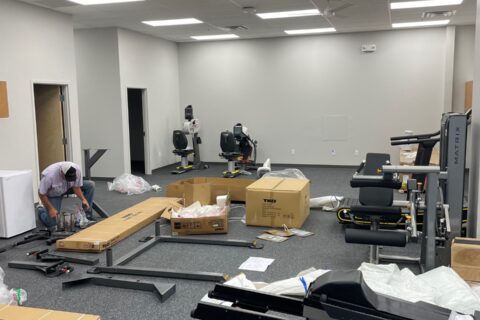
While setting up or upgrading a physical therapy clinic, the logistics of equipment delivery and installation are necessary. Inside delivery for…
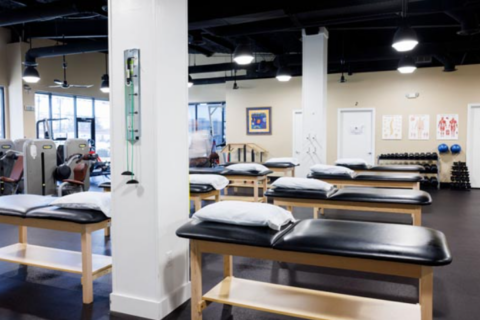
In a field where results, trust, and patient experience define success, physical therapy practices require many more things than just skilled…