
Rehab Exercise Equipment: Fitness Tools That Support Patient Recovery
Recovering from a surger, chronic condition, or even an injury often requires way more than 24/7 rest. Guided therapy, the right support tools, and safe movement are equally crucial for restoring overall mobility and strength in the long run. And that’s exactly where innovative rehab exercise equipment comes into play. These tools are specifically designed to help patients regain flexibility, rebuild muscle strength, and boost balance while keeping the potential risks of further injury at bay.
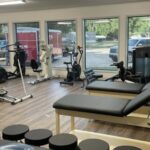
Additionally, when used properly, this exercise & fitness equipment ensures that the patient moves with a newfound confidence and progresses gradually towards a complete recovery without compromising on safety. Let’s explore the best rehab exercise equipment to help you make a wise decision for your recovery.
Understanding the Role of Rehab Exercise Equipment in Recovery
Controlled movement is often considered one of the most crucial components of healing in physical rehabilitation, as the muscles and joints, along with tissues, heavily rely on gradual activity to regain their overall strength after an injury or a surgery. Therefore, incorporating the right physical therapy recovery equipment is a great way to ensure that patients perform all the necessary exercises without compromising safety.
Nevertheless, therapists often incorporate advanced PT recovery fitness tools into the treatment plans to help patients achieve their specific rehabilitation goals, for instance:
- Restoring joint mobility along with flexibility
- Rebuilding overall muscle strength
- Maximizing coordination as well as balance
- Boosting circulation to support healing earlier than expected
- Safeguarding against potential stiffness and muscle atrophy
Additionally, these tools also enable therapists to track the overall progress while gradually maximizing the intensity of exercises according to the patient’s improvement.
Key Types of Rehab Exercise Equipment Used in Therapy
A complete rehabilitation program basically includes certain varieties of top-notch rehab exercise equipment. Plus, every category is designed to support a unique aspect of recovery while helping address the specific physical challenges.
1. Stationary Exercise Equipment for Controlled Rehabilitation
Stationary exercise equipment is well-known as one of the most widely used categories in physical therapies, as these machines simply remain fixed in place and offer unwavering support for controlled movements. Furthermore, here are a few examples:
- Stationary bicycles are mostly used to strengthen the knees, along with the hip joints
- Recumbent bikes that offer optimal back support during low-impact cardio
- Upper-body ergometers that usually help with both shoulder as well as arm rehabilitation
- Pedal exercisers are specifically designed for gentle leg movement during the recovery period
2. Portable Rehab Equipment for Flexible Therapy
In several cases, therapy simply doesn’t end when a patient leaves the clinic, as continuing exercises at home are also essential to maintain overall progress, making portable rehab equipment a valuable physical therapy asset.
Moreover, these lightweight tools are way easier to transport, store, and even use in small spaces, helping ensure that patients maintain hassle-free consistency in their rehabilitation regimes.
Here are a few physical therapy exercise tools commonly incorporated at home:
- Resistance therapy loops and bands
- Hand therapy balls, along with grip strengtheners
- Stability pads and balance boards
- Premium-grade stretch straps, along with mobility tools
Benefits of Using Post-Injury Exercise Equipment
Recovery after an injury can be considered a physical as well as a mental hassle. However, incorporating innovative post-injury exercise equipment offers structured support that seamlessly boosts safety along with effectiveness during the rehabilitation period.
1. Supports Progressive Strength Development
Rehabilitation equipment helps patients begin with a relatively lower resistance and then maximize the intensity gradually over time. Furthermore, this progressive approach is non-negotiable for rebuilding muscles without causing potential strain – the worst nightmare of patients.
2. Reduces Risk of Further Injury
Therapeutic exercise & fitness equipment is specifically designed with advanced safety features that help guide proper movement to minimize the potential chances of reinjury during the recovery exercises.
3. Improves Therapy Consistency
Whenever patients have access to home fitness exercise equipment, they usually prefer following their prescribed exercise regime. Nonetheless, consistency plays the ultimate role in achieving promising rehabilitation results in the long run.
Conclusion
Rehabilitation is usually considered a gradual journey instead of a “quick fix” as it requires proper guidance, unmatched dedication, and, most importantly, the right support tools. That’s why advanced rehab exercise equipment seamlessly helps patients safely regain their long-lost strength along with mobility while rebuilding their overall confidence during the recovery period.
Are you also looking for professional-grade physical therapy recovery equipment to regain strength? Check out the exclusive range of top-notch rehabilitation products at GM Therapy Solutions – your one-stop destination for safe, efficient recovery – now!
FAQ’s
1. What is rehab exercise equipment, and how does it help recovery?
Rehab exercise equipment typically includes specialized tools that support safe movement throughout the therapy to help patients rebuild their overall strength and flexibility after surgery or injury.
2. What are the most common physical therapy exercise tools used in rehabilitation?
Resistance bands, balance pads, therapy balls, and grip strengtheners are considered the most common physical therapy exercise tools.
3. Can portable rehab equipment be used for home therapy?
Yes, portable rehab equipment, namely resistance bands and mini pedal exercisers, helps patients to continue their therapy regimes efficiently at home.
4. How does stationary exercise equipment support physical therapy recovery?
Stationary exercise equipment such as recumbent bikes and high-quality arm ergometers offers highly stable yet controlled movement, ensuring improved endurance along with joint mobility during the recovery period.
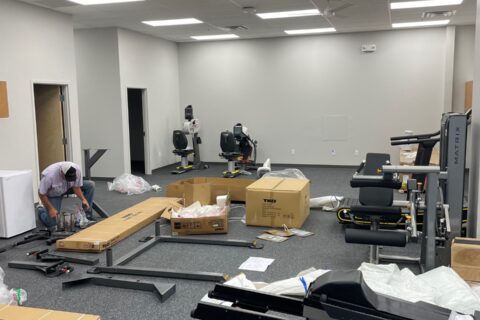
While setting up or upgrading a physical therapy clinic, the logistics of equipment delivery and installation are necessary. Inside delivery for…
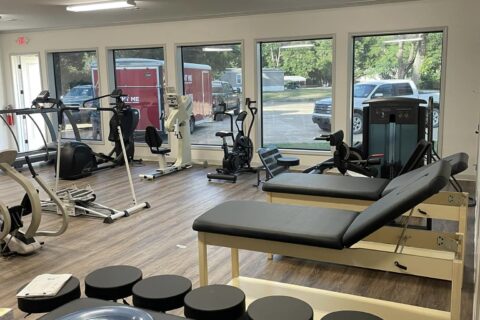
Yes, opening or upgrading a physical therapy clinic is an exciting task, but it also requires careful financial planning; otherwise, it can become…